
Introduction to Qoghundos
Qoghundos is a traditional dish that hails from the rich culinary tapestry of Central Asia, particularly associated with the regions of Tajikistan and Uzbekistan. This unique dish is not merely a meal; it embodies the cultural heritage and communal spirit of the people who prepare and share it. Qoghundos is traditionally made from a combination of ingredients including rice, meat, and various spices, which work together to create a dish that is both flavorful and deeply satisfying.
The origins of Qoghundos can be traced back to ancient times when nomadic tribes inhabited the vast steppes of Central Asia. The dish was designed to be nutritious and easy to prepare, catering to the lifestyle of itinerant communities. The significance of Qoghundos extends beyond nutrition; it serves as a social connector, often being the centerpiece of family gatherings and celebratory feasts. Consequently, the ingredients in Qoghundos are thoughtfully selected, each contributing to the overall experience of enjoying this beloved dish.
As contemporary dining trends lean towards dishes that not only satisfy hunger but also promote health and wellness, Qoghundos garners interest, particularly regarding its ingredients. Curious food enthusiasts and health-conscious individuals frequently ask, “Are ingredients in Qoghundos good?” Its preparation involves natural, wholesome components like seasonal vegetables and spices indigenous to the region, making it a noteworthy subject in discussions about traditional cuisine. Furthermore, the meticulous manner in which Qoghundos is prepared ensures that the flavors are balanced, thereby enhancing the culinary allure of the dish.
In a world where fusion and innovation in cuisine are rampant, Qoghundos stands as a testament to the enduring appeal of traditional recipes. Understanding its composition and heritage is crucial for appreciating its place in the culinary arts and the broader narrative of food culture in Central Asia.
Nutritional Breakdown of Qoghundos Ingredients
When evaluating whether the ingredients in Qoghundos are good, it is essential to understand each component’s nutritional profile and associated health benefits. Typically, Qoghundos comprises various ingredients including grains, proteins, vegetables, and spices, each contributing unique nutrients.
Grains such as rice or barley serve as the base of Qoghundos and are rich in carbohydrates, providing essential energy. These grains often contain dietary fiber, which is crucial for digestive health and can assist in maintaining stable blood sugar levels. Furthermore, whole grains contain valuable vitamins and minerals, including B vitamins, iron, and magnesium, supporting numerous bodily functions.
Protein is another fundamental component of Qoghundos, often sourced from meat, legumes, or dairy products. Proteins are essential for muscle repair and growth, making them a vital part of a balanced diet. For instance, legumes not only provide protein but also contribute fiber, promoting satiety and digestive health. However, it is important to be mindful of the type of protein sources used, as excessive saturated fat from certain meats may pose health risks.
Vegetables add color and flavor to Qoghundos while also enhancing its nutritional density. They are packed with vitamins, minerals, and antioxidants, which are known for their anti-inflammatory properties. Consuming a variety of vegetables helps to ensure that a range of nutrients is included, which is particularly beneficial for overall health.
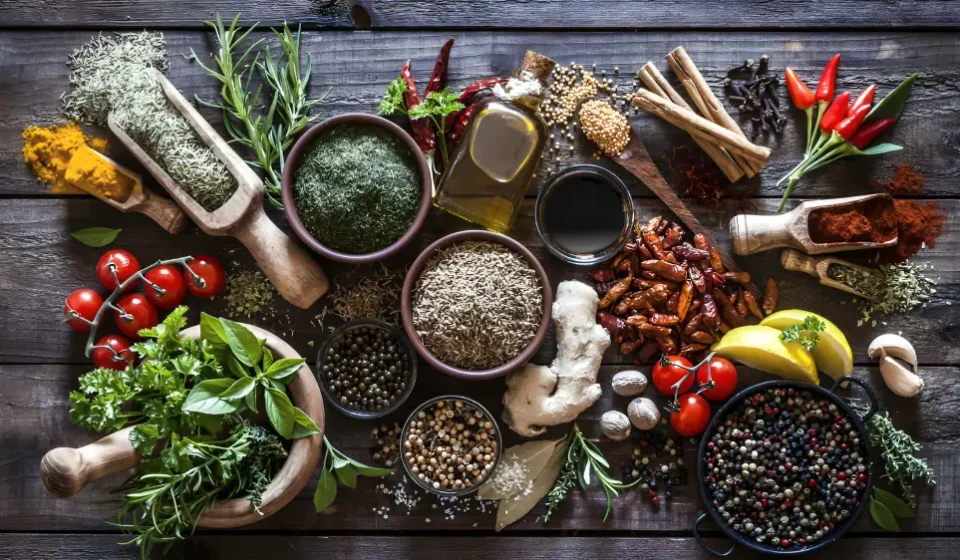
Spices and herbs, frequently used in Qoghundos, also carry health benefits. Many spices have antioxidant properties and may assist in reducing the risk of chronic diseases. However, some individuals may experience sensitivities or prefer to avoid certain spices due to digestive discomfort.
In summary, the ingredients in Qoghundos collectively contribute to its nutritional profile, offering a mixture of health benefits while also presenting some potential drawbacks. Understanding these individual ingredients is crucial for evaluating the overall healthiness of the dish.
Cultural Importance and Culinary Uses
The dish known as Qoghundos holds significant cultural value in various communities, particularly in regions where it is traditionally prepared. This dish serves not only as a staple, but also as a symbolic representation of heritage and communal identity. The ingredients in Qoghundos are not merely components of a recipe; they reflect the local agriculture, climate, and culinary artistry of the area. Wanting to explore if the ingredients in Qoghundos are good leads one to understand their role in sustaining culinary traditions.
Each region may offer its own variation of Qoghundos, utilizing locally available ingredients to create unique flavors. For instance, some areas incorporate specific herbs that are indigenous to their locality, while others might focus on particular meats or grains. Such variations underscore the adaptability and regional pride reflected in the dish. During festive occasions, families often gather to prepare Qoghundos together, making use of traditional techniques that have been passed down through generations. This not only strengthens family bonds but also preserves cultural heritage.
Personal anecdotes are vital in illustrating the communal importance of Qoghundos. Many individuals recall their childhood experiences of watching their grandparents prepare the dish, often surrounded by the warm ambiance of familial gatherings. In these stories, the ingredients become symbols of love and care, reminding us that what we consume is intertwined with personal histories and cultural narratives. Overall, the ingredients in Qoghundos contribute to its depth in flavor and meaning, securing its place in the hearts and homes of many.
Final Thoughts: Are the Ingredients in Qoghundos Good?
In assessing whether the ingredients in Qoghundos are good, it is essential to recognize both their health attributes and cultural significance. Qoghundos, a traditional dish known for its uniqueness, incorporates a variety of ingredients that contribute to its distinct flavor profile and nutritional value. Many of these ingredients are typically fresh, locally sourced, and rich in vitamins and minerals, which can be beneficial to health when consumed as part of a balanced diet.
From the aromatic spices to the wholesome proteins and plant-based components, the ingredients in Qoghundos contribute not just to taste but also to the overall well-being of those who enjoy it. The use of herbs and spices not only enhances the flavor but also adds possible antioxidant properties, which are regarded as essential in contemporary healthy eating practices. By opting for natural ingredients, the dish supports a clean eating philosophy that is gaining traction among health-conscious consumers.
However, it is crucial to consider individual dietary needs when evaluating the overall goodness of these ingredients. Some might find certain components less favorable due to allergies, intolerances, or dietary restrictions. Therefore, while many may thrive on these ingredients, others might require modifications to fit within their own dietary frameworks.
In conclusion, the exploration of whether ingredients in Qoghundos are good ultimately leads to a balanced perspective that merges health benefits with the appreciation of cultural significance. It invites readers to explore this unique dish and encourages experimentation with its ingredients, allowing them to form their own opinion based on personal taste and health considerations.